Irvine Bankruptcy Lawyers
Home » Irvine Bankruptcy Lawyers
Practice Areas
Experienced Irvine, California Bankruptcy Lawyers Helping Orange County Residents File for Bankruptcy

In the heart of Orange County lies Irvine, a vibrant city with a dynamic economy. Yet, even in prosperous areas like this, individuals and businesses can face financial hardships. When debts mount and financial pressures become unbearable, it’s vital to have a great bankruptcy attorney to guide you through the bankruptcy process.
If you need an Irvine bankruptcy lawyer, look no further than Marshack Hays Wood LLP. With years of experience serving the Irvine community, our attorneys understand Orange County’s unique financial landscape. Not only that, but we can guide you through the bankruptcy process and ensure your case is filed correctly and promptly.
Whether you’re considering Chapter 7, Chapter 11, or Chapter 13 bankruptcy, we are here to provide experienced counsel, compassionate support, and a clear path forward. Trust in Marshack Hays Wood to navigate your journey toward financial recovery with confidence and peace of mind. Call our law offices at 949-333-7777 and schedule a free consultation with the experienced Irvine bankruptcy attorneys on our team today.
Why Work With an Irvine Bankruptcy Attorney?
Bankruptcy law is complex, and even small missteps during the filing process can have serious consequences for your case. Working with experienced bankruptcy attorneys in Orange County ensures that every aspect of your filing, from completing required forms to properly disclosing assets and debts, is handled with precision and care.
One of the most common and costly mistakes filers make when attempting to navigate bankruptcy law on their own is failing to claim the correct exemptions, which can result in the unnecessary loss of property. Others inadvertently omit creditors, misclassify debts, or miss critical deadlines, any of which can lead to case dismissal or, in more serious situations, allegations of fraud. An experienced Irvine, CA attorney helps you avoid these pitfalls from the outset.
Beyond paperwork, a skilled bankruptcy attorney also serves as your advocate in dealings with the bankruptcy trustee, creditors, and the court. They understand the procedural requirements of the local bankruptcy court and can anticipate complications before they arise. When you have qualified Irvine bankruptcy lawyers in your corner, you can move through the process with confidence, knowing your rights and interests are fully protected at every stage.
Understanding Your Legal and Financial Options
Before filing for bankruptcy, it is important to evaluate all available debt relief options. Bankruptcy is a powerful legal tool, but it is not always the right solution for every situation, and in some cases, alternatives may better serve your needs without the long-term credit implications of a bankruptcy filing.
Depending on your circumstances, alternatives such as debt negotiation, debt consolidation, or informal payment arrangements with creditors may provide meaningful relief. For homeowners struggling with mortgage payments, a loan modification may offer a path to reduced monthly obligations without the need to file. In some situations, simply doing nothing (being “judgment proof” due to limited income or assets) may also be a viable short-term strategy.
That said, when debt levels are significant, creditor actions are escalating, or alternatives have already been exhausted, bankruptcy often provides the most comprehensive and legally enforceable form of relief. Our law firm will take the time to thoroughly review your financial situation and explain every option available to you, so you can make a fully informed decision about the best path forward.
Protecting Your Assets and Financial Future
One of the most prevalent misconceptions about bankruptcy is that filing means losing everything you own. In reality, California law provides a robust set of exemptions that can shield a significant portion of your property from creditors and bankruptcy trustees. Understanding how these exemptions apply to your specific situation and planning accordingly is one of the most important functions an experienced bankruptcy attorney provides.
California offers two separate exemption systems, and debtors must choose one set to apply to their case. Depending on your assets, one system may offer substantially greater protection than the other. For example, California’s homestead exemption can protect significant equity in your primary residence, while other exemptions cover retirement accounts, vehicles, household goods, and more. Early and strategic planning under the right exemption scheme can make the difference between keeping important assets and having them liquidated.
At Marshack Hays Wood, our attorneys work closely with clients to develop a thorough understanding of their financial holdings before filing, ensuring that every available protection is utilized. Whether you are concerned about your home, retirement savings, vehicle, or business interests, we will help you approach the process with a strategy designed to preserve what matters most to your financial future.

What Types of Debt Can Bankruptcy Eliminate?
Bankruptcy is especially effective at eliminating a wide range of unsecured debts (that is, debts not backed by collateral). The most commonly discharged debts include:
- Credit card balances
- Medical bills
- Personal loans
- Certain business debts, including vendor obligations and lines of credit
For individuals burdened by mounting credit card debt or medical expenses that are simply unmanageable, bankruptcy can provide a true fresh start by wiping out these obligations so you can move forward without the weight of insurmountable balances.
Debts That May Survive Bankruptcy
While bankruptcy discharges a broad array of debts, certain obligations are non-dischargeable under federal bankruptcy law, meaning they will survive the process and remain your responsibility. These include:
- Student loans, except in cases of demonstrable undue hardship (a difficult standard to meet, though we can advise you on recent legal developments)
- Recent tax obligations, particularly income taxes from the past three years
- Domestic support obligations, including child support and alimony
- Debts arising from fraud, intentional misconduct, or willful injury to another party
Understanding which debts can and cannot be discharged is critical to setting realistic expectations before you file. Our attorneys will provide you with a clear picture of what you can expect from the bankruptcy process given your specific debt profile.
How the Automatic Stay Protects Debtors
One of the most immediate and impactful benefits of filing for bankruptcy is the automatic stay: a powerful legal protection established under 11 U.S.C. § 362 of the U.S. Bankruptcy Code. The moment your bankruptcy petition is filed with the court, the automatic stay goes into effect and immediately halts virtually all collection activity against you.
The breadth of the automatic stay is significant. Among its protections, it stops:
- Creditor harassment, including phone calls, demand letters, and collection notices
- Collection lawsuits and legal proceedings initiated by creditors
- Wage garnishments, ensuring you receive your full paycheck while your case is pending
- Vehicle repossessions
- Foreclosure actions on your home, at least temporarily
However, the automatic stay is not unlimited. Certain actions, such as criminal proceedings, domestic support collection efforts, and some tax proceedings, are not subject to the stay. Additionally, repeat bankruptcy filers may find that the automatic stay is limited in duration or does not go into effect at all without a court order. Creditors may also petition the court to lift the stay under certain circumstances, such as when a debtor has no equity in secured property.
The timing of your bankruptcy filing can be critical. If collection efforts are already underway, particularly if a foreclosure sale date has been scheduled or a wage garnishment order is in place, acting promptly may make the difference between protecting your assets and losing them. Do not wait until the last moment to seek legal counsel. Contact our law offices before collection efforts escalate to a point that limits your options.

Types of Bankruptcy
The U.S. Bankruptcy Code is separated into Chapters, each tailored to different scenarios and financial situations. Most people file under Chapter 7, Chapter 11, or Chapter 13 of the Bankruptcy Code. Each Chapter offers its unique approach and benefits to debt resolution, so understanding these types can empower you to make informed decisions about your financial future.
Chapter 7 Bankruptcy Lawyer Irvine
Often referred to as “liquidation bankruptcy,” Chapter 7 provides individuals with the opportunity to erase most of their unsecured debts, like credit card balances and medical bills.
Certain assets, known as secured assets, will be liquidated to repay creditors. However, debtors may be able to keep some of their assets using exemptions, which aim to protect those who file for bankruptcy from losing essential assets. After filing for Chapter 7, the bankruptcy court will appoint a trustee who will oversee the liquidation of the debtor’s secured, non-exempt assets, and pay creditors with the proceeds.
To qualify, filers must pass the Chapter 7 means test, which compares your average monthly income over the six months prior to filing against California’s median income for a household of your size. If your income falls below the state median, you automatically qualify. If it exceeds the median, a more detailed calculation is performed to determine whether you have sufficient disposable income to repay a portion of your debts through Chapter 13 instead. Our Orange County Chapter 7 bankruptcy attorneys can walk you through this analysis and help you understand your eligibility before you file.
Who May Benefit From Chapter 7 Bankruptcy?
Chapter 7 is often the best fit for individuals who:
- Carry significant unsecured debt, such as high credit card balances or substantial medical bills, with limited ability to repay
- Are facing active collection activity, including lawsuits, wage garnishments, or aggressive creditor calls
- Have limited income and relatively few non-exempt assets, making Chapter 7’s quick discharge the most practical path to relief
Chapter 13 Bankruptcy Lawyer Irvine
Chapter 13 bankruptcy, often known as a “wage earner’s plan,” is designed for individuals with a regular source of income. Chapter 13 allows debtors to develop a plan to repay all or part of their debts over three to five years. Unlike Chapter 7, where assets may be liquidated to pay off creditors, Chapter 13 focuses on repaying all or most of a person’s debts, allowing debtors to keep their property, including non-exempt assets.
This bankruptcy Chapter is particularly useful for those behind on their mortgage or car payments, as it can halt foreclosure or repossession, allowing debtors to catch up on payments. Many people who file for Chapter 13 bankruptcy only do so because they do not qualify for Chapter 7. Still, a Chapter 13 filing can be beneficial for certain individuals, especially those with some assets they want to keep.
Using Chapter 13 to Protect Homes and Assets
For homeowners facing the threat of foreclosure, Chapter 13 bankruptcy can be a powerful tool for preserving one of your most valuable assets. When you file for Chapter 13, the automatic stay immediately stops any pending foreclosure proceedings, giving you critical breathing room to address past-due mortgage payments through a structured, manageable repayment plan.
Under the Chapter 13 plan, mortgage arrears can be spread out and repaid over the three-to-five-year plan period, allowing you to catch up on missed payments while continuing to make your regular monthly mortgage payments going forward. As long as you comply with the terms of the plan, you can keep your home and emerge from bankruptcy current on your mortgage, something Chapter 7 does not offer.
Beyond foreclosure protection, Chapter 13 also allows you to retain non-exempt assets that would otherwise be liquidated in a Chapter 7 case. For debtors with equity in their home, a second vehicle, or other property of value, this is often a decisive factor. Our Orange County Chapter 13 bankruptcy lawyers will help you design a repayment plan that is both feasible and effective, maximizing your ability to protect the property you’ve worked hard to acquire.
Chapter 11 Bankruptcy Lawyer Irvine
Primarily used by businesses, Chapter 11 bankruptcy offers a way to restructure and reorganize debts while allowing the entity to continue operations. Companies facing temporary setbacks or those saddled with untenable debt structures can benefit from this process. During a Chapter 11 bankruptcy, the debtor proposes a plan to reorganize their finances and debts to both keep their business alive and pay their creditors over time.
While a Chapter 11 proceeding can be more complex and costly than other bankruptcy chapters, it provides flexibility and can be a vital lifeline for businesses aiming to return to profitability.
Individual Chapter 11 Bankruptcy Cases
While Chapter 11 is most commonly associated with business reorganizations, it is also available to individuals, and in certain situations, it may be the most appropriate option. The Chapter 11 bankruptcy attorneys at Marshack Hays Wood regularly advise high-debt individuals who exceed the statutory debt limits imposed by Chapter 13, which caps both secured and unsecured debt at specified thresholds.
For individuals with complex financial situations, such as significant real estate holdings, multiple business interests, or substantial investment portfolios, Chapter 11 offers the flexibility to craft a customized reorganization plan that addresses their unique circumstances. It can also be appropriate for individuals who own a small business and wish to restructure both personal and business debts within a single proceeding.
Although Chapter 11 requires more involvement and generally entails higher costs than Chapter 13, our legal team has the depth of experience necessary to manage even the most complex individual cases efficiently and effectively.
Which Bankruptcy Chapter is Best for Me?
To determine the right bankruptcy chapter for your specific situation, you need an in-depth understanding of your current financial situation, as well as your short-term goals and long-term objectives. Bankruptcy can’t help you get where you need to go if you’re unsure where you are and where you want to be.
Chapter 7 might be suitable for those with limited income and assets or those seeking a relatively quick discharge of unsecured debts. In contrast, Chapter 13 might be better for individuals with a steady income who wish to retain their assets and repay their debts. Businesses or individuals with complex debt structures might lean toward Chapter 11, taking advantage of its flexibility.
It’s crucial to remember that while bankruptcy can offer a fresh start, the decision carries implications for your financial future. Consulting with our Irvine bankruptcy attorneys can provide clarity, ensuring you choose the path that aligns with your specific needs and paves the way for financial recovery.
What are the Benefits of Bankruptcy?
Bankruptcy not only addresses overwhelming debt but also provides tangible protections against aggressive creditor actions such as foreclosure and wage garnishment. This is done by utilizing the automatic stay, which legally protects you from certain actions throughout the bankruptcy process.
From safeguarding valuable assets to halting intrusive collection attempts, the advantages of bankruptcy can be transformative for those grappling with financial challenges. Below are some of the key benefits of filing for bankruptcy:
Stop Repossession and Foreclosure
Filing for bankruptcy can halt the repossession of valuable assets like your car, allowing you a chance to restructure your debt and potentially keep your possessions. In addition to stopping car repossession, initiating a bankruptcy case can place an immediate stay on foreclosure proceedings, providing homeowners an opportunity to either catch up on missed payments or reassess their housing situation.
Stop Creditor Harassment
Once you’ve filed for bankruptcy, creditors must legally cease all collection efforts and harassment, granting you peace of mind and space to focus on your financial reset. If you continue to receive phone calls or letters from your creditors or from collection agencies after filing for bankruptcy, contact your bankruptcy trustee. They can help ensure you receive peace and quiet while working toward your financial future.
Stop Wage Garnishment
It can be difficult and, in some cases, impossible to catch up on debt payments if you are having a portion of each of your paychecks garnished. Bankruptcy can immediately put an end to wage garnishments, ensuring you retain your full earnings as you navigate the bankruptcy process and work towards having a more stable financial standing.

Experienced Bankruptcy Attorney in Irvine, CA for Small Business Owners
Small business owners in Orange County face a distinctive set of financial challenges, and when those challenges become unmanageable, having access to the full range of bankruptcy options is essential. Our Orange County business bankruptcy lawyers understand that business issues rarely have simple solutions, and we work to develop real solutions tailored to your situation.
For business owners weighing their options, the central question is often whether to restructure or liquidate. Chapter 7 business bankruptcy involves the orderly liquidation of the business’s assets to satisfy creditors, effectively winding down operations. This may be the right path when a business is no longer viable or when the owner simply wishes to close the business and eliminate its debts cleanly through the legal process.
Chapter 11, by contrast, is designed for business owners who believe their company has a viable future and want to restructure debts while continuing operations. Through Chapter 11, a business can renegotiate contracts, reduce secured debt obligations, and develop a court-approved reorganization plan, all while keeping the doors open and employees on payroll.
Determining the right bankruptcy option requires careful consideration of factors such as the nature and volume of business debts, the value of business assets, the company’s revenue trajectory, and the owner’s personal financial exposure. Our law firm brings the deep understanding and legal counsel needed to evaluate these factors and guide you through the entire process, from initial strategy to final resolution.
Addressing Business Debt Challenges
Businesses in financial distress often contend with a variety of debt types that require different legal strategies. Common business debt challenges our attorneys address include:
- Vendor debt accumulated through unpaid invoices and supply chain obligations
- Commercial lease obligations for office, retail, or industrial space
- Business loan defaults, including SBA loans and lines of credit
- Litigation-related debt from pending or concluded legal disputes
Our broad range of experience with business bankruptcy allows us to address each of these debt categories strategically. Whether your goal is to restructure, negotiate, or discharge business obligations, we will work to develop a comprehensive plan that protects your interests and positions your business (or your post-business financial life) for recovery.
Can Bankruptcy Stop Foreclosure in Irvine?
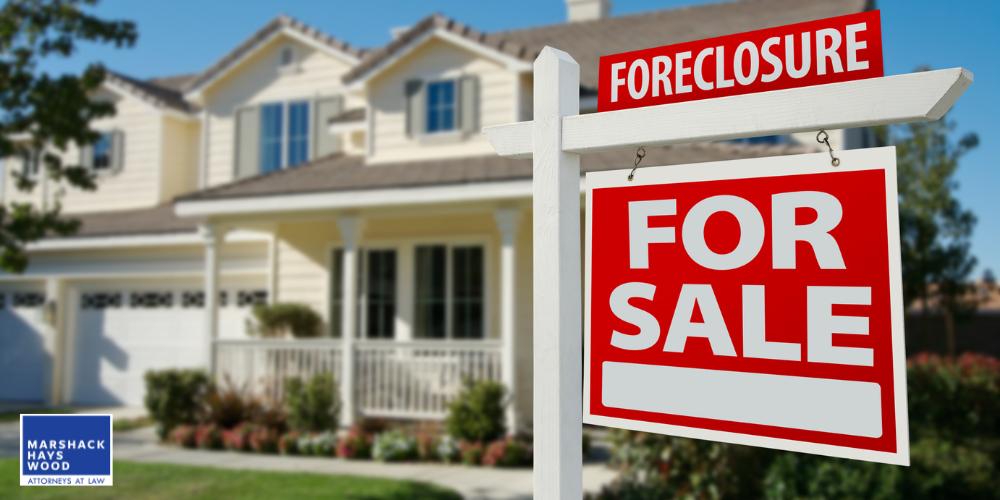
Foreclosure is one of the most pressing concerns facing Orange County homeowners struggling with financial hardship. In a region where real estate values are high and housing represents a significant portion of most families’ net worth, the prospect of losing a home can be devastating. Bankruptcy provides one of the most direct and legally enforceable tools available for halting foreclosure proceedings.
As discussed above, the automatic stay goes into effect the moment a bankruptcy petition is filed, immediately halting any pending foreclosure sale. This applies regardless of how far along in the foreclosure process the lender has progressed. Even a scheduled trustee’s sale can be stopped by a timely filed bankruptcy petition.
Both Chapter 7 and Chapter 13 provide foreclosure relief, but in different ways and with different long-term outcomes. Chapter 7 offers only temporary relief; the automatic stay will stop foreclosure proceedings, but because Chapter 7 does not include a mechanism for catching up on mortgage arrears, the lender will likely be able to resume foreclosure after the stay is lifted or the case is closed. For homeowners who are behind on their mortgage and want to keep their home, Chapter 7 alone is generally not a long-term solution.
Chapter 13, on the other hand, provides a genuine long-term path to saving a home from foreclosure. Through the Chapter 13 repayment plan, past-due mortgage arrears can be cured over the plan period, typically three to five years, while the homeowner continues making regular ongoing mortgage payments. Successfully completing a Chapter 13 plan can allow a homeowner to emerge from bankruptcy fully current on their mortgage and free from the threat of foreclosure.
Timing is critical in foreclosure situations. If a foreclosure sale has already been scheduled, acting immediately is essential. Contact our experienced foreclosure defense attorney in Orange County as soon as possible so we can evaluate your situation and, if appropriate, file a bankruptcy petition in time to stop the sale.
Bankruptcy and California Exemption Laws
California is one of the few states that allows bankruptcy filers to choose between two distinct exemption systems, simply referred to as System 1 and System 2. Unlike many states that require debtors to use the federal exemption scheme, California has opted out of the federal system entirely, meaning debtors in this state must choose between the two state systems. The choice is significant, as each system offers different levels of protection for different types of property.
System 1 (based on California Code of Civil Procedure § 704) provides strong homestead protections and is generally better suited for homeowners with substantial equity in their primary residence. The homestead exemption under this system can protect a significant amount of equity, with the specific amount depending on factors such as age, disability status, and household composition.
System 2 (based on California Code of Civil Procedure § 703.140) does not include the same homestead protection but offers a broader “wildcard” exemption that can be applied to any property of the debtor’s choosing. This system is often more advantageous for filers who rent rather than own, or who have significant personal property assets they wish to protect.
Both systems also include protections for personal property such as motor vehicles, household furnishings, clothing, jewelry, and tools of the trade, as well as retirement accounts and pension benefits, which are generally fully protected regardless of which system is chosen.
Protecting Property During Bankruptcy
Exemption planning is one of the most consequential aspects of preparing for a bankruptcy filing, and it is an area where early legal guidance can make a substantial difference in the outcome of your case. Many prospective filers make the mistake of assuming they will lose most of their property, when in reality, careful and timely planning can allow them to protect far more than they anticipated.
Common misconceptions include the belief that all bank account funds, retirement savings, and personal property will be seized by the bankruptcy trustee. In practice, qualified retirement accounts such as 401(k)s and IRAs are typically fully exempt from creditors, and California’s exemption systems provide meaningful protection for a wide range of personal assets. Understanding how these protections apply to your specific circumstances before you file is essential.
The importance of consulting with an attorney before filing cannot be overstated. Certain pre-filing transactions, such as transferring assets to family members or converting non-exempt property to exempt property, can raise red flags with the bankruptcy trustee if not done properly and well in advance. Our attorneys will advise you on what actions are permissible, what to avoid, and how to position your finances to make the most of the protections available under California law.
The Bankruptcy Filing Process in Irvine
Like in other parts of the country, filing bankruptcy in Irvine, CA, is a structured process that requires attention to detail and careful planning. The first step is typically a consultation with a knowledgeable bankruptcy attorney in Irvine who can advise you on the best chapter to file under and guide you through the process.
Following this, you’ll need to complete a credit counseling course, which is an essential prerequisite before any bankruptcy filing. After that, you’ll submit a comprehensive package of forms to the local bankruptcy court, detailing your financial status, debts, assets, income, and a list of your creditors.
What Happens After Filing?
After filing, the automatic stay will be initiated, offering you immediate relief from creditor actions. Depending on the bankruptcy chapter, you may need to complete additional steps, including meeting with a bankruptcy trustee, forming a repayment plan, or liquidating your non-exempt assets.
While the process might seem intricate, with guidance and thorough preparation, you can navigate bankruptcy in Irvine and embark on the path to financial recovery. Our legal team at Marshack Hays Wood have been helping clients in the Irvine, CA area file for bankruptcy for years, making us well-prepared to help you through your own bankruptcy.
How Much Does It Cost to File Bankruptcy in Irvine, CA?
The cost of filing for bankruptcy in Irvine, California, can vary based on several factors, including the type of bankruptcy chapter you’re filing under and whether or not you hire an attorney to help you file. Generally, there are two main components to the cost: the filing fee and attorney fees.
The filing fee is set by the bankruptcy court and can differ based on whether you’re filing for Chapter 7, Chapter 11, or Chapter 13 bankruptcy. Below are the bankruptcy filing fees in Irvine, CA:
- Chapter 7 Filing Fee = $338
- Chapter 13 Filing Fee = $313
If you cannot afford to pay the filing fee, you can apply for a fee waiver or apply to pay the fee in multiple installments.
Attorney fees can vary widely depending on the complexity of your case and the level of expertise of the chosen attorney. While it may seem frivolous to spend money on an attorney when you’re in a difficult financial situation, discussing fees upfront with your attorney can help you understand the full financial commitment of filing for bankruptcy.

Why Choose Marshack Hays Wood as Your Irvine Bankruptcy Attorney?
Choosing the right legal counsel when navigating financial difficulties is one of the most important decisions you will make during this time. At Marshack Hays Wood, we bring decades of bankruptcy experience to every client we serve, experience drawn from representing both consumers and businesses across a broad range of complex financial situations throughout Southern California.
Our attorneys have a deep understanding of the federal law governing bankruptcy proceedings, as well as the local rules and procedures specific to the Central District of California bankruptcy courts. This familiarity with the legal system and its nuances allows us to move cases forward efficiently and anticipate issues before they become obstacles.
What sets Marshack Hays Wood apart is our commitment to developing customized debt relief strategies rather than cookie-cutter solutions. Every client’s situation is different, and we take the time to understand yours before recommending a course of action. When you work with us, you benefit from:
- Decades of bankruptcy experience representing individuals, consumers, and businesses of all sizes
- Trial lawyers and a dedicated support staff who are committed to your case from start to finish
- In-depth knowledge of local bankruptcy courts and procedures in the Central District of California
- A full range of bankruptcy options, from Chapter 7 and Chapter 13 consumer cases to complex Chapter 11 business reorganizations
- Personalized attention and clear communication throughout the entire process, so you always understand where your case stands
We understand that facing financial difficulties is stressful and, at times, overwhelming. Our goal is to make the legal system accessible and understandable for you, guiding you through every step and ensuring that all of your bankruptcy needs are met with the professionalism and skill your situation demands.

Speak With Our Irvine Bankruptcy Lawyers Today
Navigating the turbulent waters of bankruptcy requires experience, understanding, and a personalized touch. At Marshack Hays Wood, our extremely professional bankruptcy attorneys bring a unique blend of deep legal knowledge and a genuine commitment to each case we take on. We have extensive experience helping Orange County residents regain their financial footing through bankruptcy.
Whether you’re contemplating bankruptcy or seeking guidance on bankruptcy alternatives, our team is here to stand by your side, providing clear, comprehensive advice every step of the way. We can help ensure you make the right decisions regarding your bankruptcy case, putting you on the best path toward debt relief.
At Marshack Hays Wood, we don’t just handle cases involving bankruptcy–we also offer guidance in other legal matters, including loan modification, real estate litigation and creditor’s rights disputes. We proudly serve the residents of Irvine, CA, as well as those living in Santa Ana, Anaheim, Huntington Beach, Costa Mesa, Newport Beach, and beyond.
Take the first step today and reach out to our law firm for our Orange County bankruptcy services or any of our other legal services.
At Marshack Hays Wood, we strive to assist our clients through their bankruptcy cases from their first phone call with us to the day they receive their bankruptcy discharge. Don’t face these challenges alone. Call our law offices at 949-333-7777 or contact us online to schedule a free consultation with an experienced bankruptcy attorney with us today.
READY TO GET STARTED?
At Marshack Hays Wood, our attorneys provide the legal support you need to move forward with confidence. Let us help you take the first step toward financial stability.