Orange County Debt Consolidation Attorney
Home » Debt Consolidation
Practice Areas
Experienced Orange County, California Debt Consolidation Lawyers Helping Clients Seeking Debt Relief
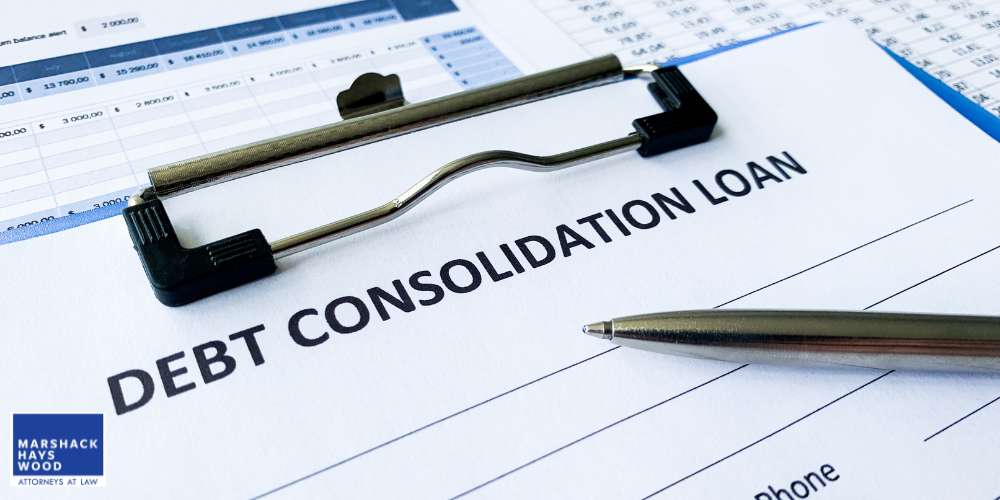
Are you feeling overwhelmed by multiple debts and struggling to keep up with payments? If so, you’re not alone. Many people in California are currently struggling to manage their finances and find relief from their debts. At Marshack Hays Wood, we understand the stress and uncertainty that debt can bring, and we’re here to help you navigate your options for debt consolidation.
Our Orange County bankruptcy lawyers have experience providing the residents of Orange County with comprehensive debt relief options tailored to their unique needs. If you’re struggling to keep up with loan payments, the legal professionals at Marshack Hays Wood are here to help you explore your California debt settlement options and find a solution that’s right for you.
Call us at (949) 333-7777 to schedule a free consultation with our team regarding your financial situation.
Do You Need a Debt Consolidation Lawyer in Orange County, CA?
If you are considering a new loan to consolidate debt, it is important to understand both the benefits and potential risks before moving forward. While debt consolidation may simplify monthly payments, it does not address every financial situation. An attorney can help determine whether consolidation, bankruptcy, or another debt relief strategy may better serve your goals.
Marshack Hays Wood assists clients throughout Irvine, Anaheim, Santa Ana, Huntington Beach, Newport Beach, Costa Mesa, and surrounding Orange County communities in evaluating their options and making informed decisions when debt has become difficult to manage. If you need legal guidance and assistance during this time, don’t hesitate to reach out to our law firm today.
What is Debt Consolidation in California?
Debt consolidation is a debt refinancing tool that allows individuals to manage their outstanding debts more effectively. Essentially, it allows someone to consolidate multiple debts into a single loan, enabling a single, more manageable monthly payment.
Instead of trying to keep track of multiple creditors and due dates, debt consolidation streamlines the process for debtors by offering a restructured repayment plan. This approach can often lead to lower interest rates and reduced monthly payments, but it can extend the timeline of a given loan and can expose debtors to predatory debt settlement companies.
It’s important to understand that debt consolidation does not provide individuals with certain debt-relief benefits, such as automatic stay protection, which can shield debtors from legal action by creditors. In some cases, filing for Chapter 7 bankruptcy or Chapter 13 bankruptcy in Orange County may offer more legal protection and greater overall benefits when compared to debt consolidation.
How Does Debt Consolidation Work?
Debt consolidation works by combining multiple debts, like credit card balances, personal loans, medical bills, and other debts into one single loan or payment plan, making it easier for individuals to pay off their debts. Borrowers can use the proceeds from the consolidation loan to pay off their existing debts, leaving them with just the consolidation loan to manage and pay off.
Individuals can consolidate their debts through a new personal loan, a new credit card with a high credit limit, or a home equity loan, among other options. This allows them to manage their personal finances more easily while reducing their monthly payments.
Where Can You Get a Debt Consolidation Loan?
Debt consolidation loans are offered by various financial institutions, including banks, credit unions, and online lenders. However, it’s important to compare offers from different lenders when deciding which lender to choose for a debt consolidation loan. Also, be sure to review the loan terms and conditions and choose a reputable financial institution whose offer best suits your financial needs and goals.
How to Consolidate Debt in California
If you’re looking to consolidate your debt, there are a few steps you need to take in order to ensure you reap the benefits of debt consolidation:
- First, check your credit score to see whether or not you qualify for debt consolidation. Even if your credit score is low, there are still things you can do to consolidate your debts.
- Next, assess your total debt load, including outstanding balances, current interest rates, and the cost of your monthly payments. From there, you can explore your debt consolidation options. These can include obtaining a consolidation loan, transferring balances to a single credit card with a lower interest rate, or enrolling in a debt management program through a credit counseling agency.
- If you decide to obtain a debt consolidation loan, compare your loan options through various trusted financial institutions. When you find one that you qualify for that offers you favorable terms, gather the necessary information and apply for the loan.
- Once approved, close out your other loans and ensure they show a zero balance. From there, you’ll be able to make payments towards your consolidation loan.
When you work with an Orange County debt consolidation lawyer at Marshack Hays Wood, they can explain all of the necessary steps involved while walking you through the process and protecting your rights and best interests every step of the way.

How to Apply for a Debt Consolidation Loan
Applying for a debt consolidation loan typically involves a straightforward process. First, individuals should gather essential financial information, including details about their outstanding debts, income, and credit history.
With this information in hand, they can research and compare offers from different lenders to find the best consolidation loan option for their needs. Once a lender is chosen, applicants can initiate the application process online or in person, providing the required documentation and personal information.
Lenders will then review the application, assess the applicant’s creditworthiness, and determine eligibility for the loan.
How to Qualify for a Debt Consolidation Loan
Qualifying for a debt consolidation loan typically depends on various factors, including creditworthiness, income, and debt-to-income ratio. Lenders generally prefer borrowers with a good credit score, typically above 600, for lower-interest-rate loans.
Additionally, applicants should have a stable income, which can demonstrate their ability to repay the loan. Having a lower debt-to-income ratio, which reflects the proportion of debt compared to income, can also improve eligibility for a consolidation loan.
How to Get a Debt Consolidation Loan with Bad Credit
Getting a debt consolidation loan with bad credit may require some additional effort, but it’s possible. Borrowers with lower credit scores can improve their creditworthiness by catching up on late payments, checking their credit reports for errors, or repaying small debts.
Individuals with poor credit may also want to consider applying for secured consolidation loans, which require collateral such as a home or car to secure the loan. Additionally, applicants may benefit from having a co-signer with good credit, which can increase their chances of approval.

Is Debt Consolidation a Good Idea?
Whether or not debt consolidation is right for you depends on your personal financial situation. If you’re struggling to keep up with making multiple payments every month or you’re struggling to meet your minimum payments, debt consolidation may offer you some relief.
However, consolidating debt isn’t a miracle solution to unmanageable debt, and it’s important to weigh all your debt relief options before deciding on one route. Depending on your current debt situation, you may benefit more from a debt settlement program or even from bankruptcy. An experienced attorney on our team can help you explore all of your options, including available debt management programs.
Pros and Cons of Debt Consolidation
Like any debt relief option, consolidation comes with benefits and drawbacks. It’s important to weigh the pros and cons of debt consolidation before you apply for a consolidation loan or a new credit card.
There are several advantages to consolidating your debts. Some include:
- Streamlined payments
- Lower interest rates
- Reduced monthly payments
- Fixed repayment terms
- Preservation of assets
In contrast, there are also a number of disadvantages to debt consolidation, some of which include:
- Extended repayment periods
- Potential upfront costs and debt settlement fees
- Risk of going into default
- Temptation to use loan money for other purposes
- No protection from creditors or debt collectors
It’s important for individuals to carefully weigh these potential drawbacks against the benefits of debt consolidation and to explore all available options before making a decision. Consulting with a financial advisor, credit counselor, or bankruptcy attorney can help individuals make informed choices based on their unique financial circumstances.
Does Debt Consolidation Hurt Your Credit?
Debt consolidation itself does not inherently hurt your credit. In fact, it can positively impact your credit score if managed responsibly. However, the process of applying for a consolidation loan may result in a temporary dip in your credit score due to the hard inquiry made by lenders. Additionally, closing accounts after consolidating debt can affect your credit utilization ratio, which may also impact your credit score.
Overall, as long as you make timely payments on your consolidation loan and avoid accumulating more debt, debt consolidation may help improve your credit over time.
How Long Does a Debt Consolidation Stay on Your Credit Report?
Debt consolidation loans will show up on your credit report for as long as you have the account open. Once you close the account, it may remain on your credit report for 10 years. Missed payments will remain on your credit report for 7 years from the date that the payment was missed.
How Long After Debt Consolidation Can I Buy a House?
Debt consolidation will not prevent you from buying a home, but it may be better to wait a while after consolidating your debt before making a large financial decision like getting a mortgage. In general, it’s recommended to wait at least six months to a year after consolidating debt before applying for a mortgage.
During this time, focus on improving your credit score, reducing your debt-to-income ratio, and saving for a down payment. Additionally, ensure that you have a stable income and a positive payment history on your consolidation loan to strengthen your mortgage application.
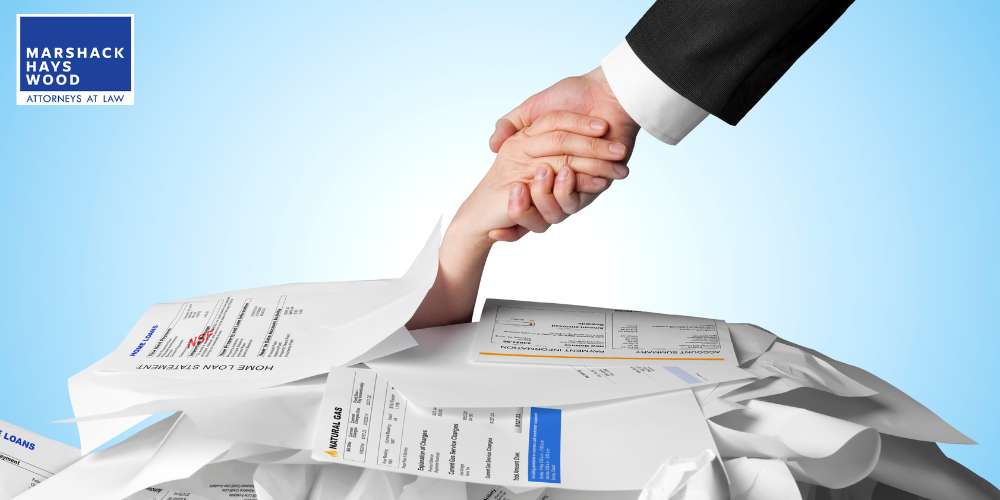
Is Debt Consolidation Right for You?
This can depend on various factors, like your individual financial situation, goals, and preferences. Debt consolidation may be a good fit if you have multiple debts with high interest rates and are struggling to manage them effectively.
However, it’s essential to weigh the pros and cons carefully and consider alternative options. For example, if your debts are primarily unsecured, such as credit card debt, you may also explore debt settlement or other California debt relief programs.
If you’re facing overwhelming debt and see no feasible way to repay it, bankruptcy may be a better option, as it offers a fresh start and relief from creditor harassment. Ultimately, it’s crucial to evaluate all available options and seek guidance from a financial professional like a bankruptcy attorney to make an informed decision about the best path forward for your financial well-being.
Debt Consolidation vs Bankruptcy: Which Is Better?
Debt consolidation and bankruptcy both address debt problems, but they work very differently. Debt consolidation combines multiple debts into a single payment, which may simplify repayment and potentially lower interest rates. However, debt consolidation does not eliminate debt. You remain responsible for paying the full balance, and approval may depend on your credit history, income, and financial situation. For individuals facing significant financial difficulties, mounting unsecured debt, or collection activity, consolidation alone may not provide enough relief.
Bankruptcy may offer a more comprehensive solution in certain situations. For example, Chapter 7 liquidation bankruptcy may eliminate qualifying unsecured debts, including credit card balances, medical bills, and personal loans. Filing a bankruptcy case also triggers the automatic stay, which may temporarily halt foreclosure proceedings, wage garnishments, collection lawsuits, and creditor harassment. While some non-exempt assets may be sold by a trustee during a Chapter 7 case, California exemption laws may protect certain personal property and other assets.
Overall, the best solution depends on your unique financial circumstances, income, assets, debt load, and long-term goals. Some individuals benefit from debt consolidation, while others may need the stronger protections bankruptcy provides. Business owners and consumers facing overwhelming debt should carefully evaluate all available options with an experienced bankruptcy attorney before deciding how to move forward.
The Importance of Working With an Experienced California Debt Consolidation Law Firm
Financial problems can quickly become overwhelming when creditors continue collection efforts and debt balances keep growing. Experienced California debt consolidation lawyers, such as those at Marshack Hays Wood, can review your financial situation, explain available options, and help you determine whether debt consolidation, bankruptcy, or another form of debt relief is in your best interest. Having knowledgeable legal guidance may help you avoid costly mistakes and make informed decisions about your future.
Legal assistance can be particularly valuable when debt involves lawsuits, wage garnishments, foreclosure concerns, or significant unsecured obligations. An attorney can evaluate your income, assets, and long-term goals and help you develop a strategy to address your debt and protect your financial well-being.

Schedule a Free Consultation With an Orange County Debt Consolidation Lawyer at Marshack Hays Wood Today
If you’re struggling with crippling debt and seeking relief, the experienced bankruptcy attorneys at Marshack Hays Wood are here to help. We understand how debt can take a toll on your financial, physical, and emotional well-being, which is why we offer California residents comprehensive bankruptcy solutions tailored to their unique circumstances.
Whether you’re considering debt consolidation, exploring bankruptcy options, or need guidance on debt management strategies, our skilled attorneys are ready to assist you every step of the way. Take the first step towards financial freedom today by scheduling a consultation with one of our knowledgeable Orange County debt relief attorneys.
Call us at (949) 333-7777 or fill out our online form to schedule a free consultation with a member of our team today.
READY TO GET STARTED?
At Marshack Hays Wood, our attorneys provide the legal support you need to move forward with confidence. Let us help you take the first step toward financial stability.