Orange County Foreclosure Defense Attorney
Home » Foreclosure Defense
Practice Areas
Experienced Southern California Bankruptcy Lawyers for Foreclosure Defense
Facing foreclosure in Orange County creates immediate financial pressure and puts your home and equity at risk. Lenders move quickly once foreclosure proceedings begin, and delays can limit the options available to protect your property. Working with an experienced foreclosure defense attorney early in the process can make a meaningful difference by stopping improper actions, enforcing borrower rights, and identifying legal paths to keep your home or preserve equity.
Marshack Hays Wood, LLP provides experienced foreclosure defense representation for homeowners throughout Southern California. Our Orange County bankruptcy and real estate litigation firm focuses on protecting homes, equity, and long-term financial stability through strategic bankruptcy filings and targeted foreclosure defense strategies.
With a deep understanding of federal bankruptcy law and local foreclosure practices, Marshack Hays Wood helps clients take decisive action when time and financial security matter most. Call (949) 333-7777 or reach out online to learn more about how an experienced foreclosure defense attorney at our firm can help.
Foreclosure Attorney Orange County Homeowners Can Turn To
Homeowners across Orange County face foreclosure challenges tied to rising living costs, missed mortgage payments, loan servicing errors, and sudden financial disruptions. Common triggers for foreclosure include job loss, medical debt, adjustable rate increases, forbearance misunderstandings, and denied loan modifications.
Once a lender initiates foreclosure proceedings, timelines move fast, and notices can escalate quickly from default letters to a scheduled sale date. Without timely action, homeowners risk losing not only their property but also the equity they have built over the years.
Early legal intervention plays a critical role in foreclosure defense. An Orange County, California foreclosure attorney at Marshack Hays Wood can review the lender’s actions, identify violations of state or federal law, and determine whether bankruptcy protection or other legal remedies can pause or stop the process.
What is the California Foreclosure Process Like?
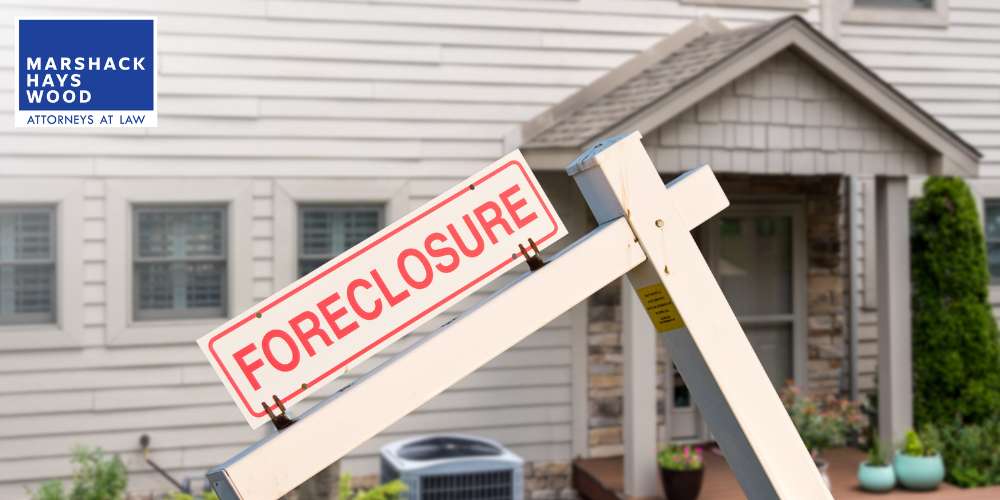
California uses two foreclosure methods: judicial foreclosure and non-judicial foreclosure. The state relies primarily on non-judicial foreclosure, which allows lenders to proceed without filing a lawsuit when the deed of trust includes a power of sale clause. Judicial foreclosure involves a court case and moves far more slowly, but it appears less frequently in residential matters.
In a nonjudicial foreclosure, homeowners receive a Notice of Default after missed payments. This notice starts a reinstatement period, which gives the borrower time to cure the default. If the loan remains unresolved, the lender records a Notice of Trustee’s Sale and schedules the foreclosure auction.
Understanding these steps and deadlines helps homeowners act before options narrow and a sale date becomes final.
Pre-Foreclosure in California: What Homeowners Should Know
Pre-foreclosure in California begins when a homeowner falls behind on mortgage payments but before a foreclosure sale is scheduled. This stage usually starts with a Notice of Default, which gives the lender the right to proceed to foreclosure while still allowing the homeowner time to act. During pre-foreclosure, homeowners may have more leverage to resolve the default, address lender errors, or pursue alternatives that protect equity.
This period is often the best opportunity to intervene. Legal options during pre-foreclosure can include loan modification negotiations, repayment plans, foreclosure defense strategies, or bankruptcy protection to stop the process from advancing.

Homeowner Rights During the California Foreclosure Process
Even when the foreclosure process is underway, homeowners retain important legal rights designed to prevent unfair or improper loss of property. California law provides special protections that require a mortgage servicer or lender to follow strict notice, timing, and documentation rules before losing your home becomes possible. These rights include proper notice of default, opportunities to cure missed payments, and safeguards against dual tracking while a loan modification review is pending.
Acting early preserves options and strengthens your position while solutions remain available. Legal review can uncover servicing errors, notice defects, or violations of state and federal law that may delay or stop foreclosure.
How To Respond to a Foreclosure Lawsuit
A foreclosure lawsuit requires immediate attention because missed deadlines can limit your rights and speed up the case.
- Review the foreclosure complaint immediately to identify the lender’s claims, deadlines, and the court handling the case
- Calendar all response deadlines, as missing a filing date can result in a default judgment
- Gather loan and payment records, including notices, statements, and correspondence with the lender or servicer
- Consult a foreclosure defense attorney to evaluate legal defenses and procedural errors
- File a timely response with the court to challenge the lender’s allegations and preserve your rights
- Explore legal options that may stop or delay foreclosure, including bankruptcy or negotiated resolutions
Foreclosure Defense Strategies to Protect Your Home
Effective foreclosure defense focuses on applying state laws to the specific facts of a homeowner’s situation. The right strategy depends on various factors, including the loan history, servicing conduct, and the case’s status in the process. A foreclosure defense lawyer evaluates these details to identify ways to avoid foreclosure or delay a sale before a lender can foreclose, especially when a mortgage lender failed to follow required procedures.
Common foreclosure defense strategies include:
- Challenging improper lender actions, such as defective notices, missed deadlines, or failure to comply with California foreclosure requirements
- Raising defenses tied to loan servicing errors, including misapplied payments, inaccurate balances, or improper fees
- Using state and federal protections to delay or stop foreclosure when borrower rights were violated
- Reviewing loss mitigation activity, including loan modification or forbearance reviews handled incorrectly
- Identifying standing or documentation issues that affect a lender’s authority to proceed
Applying the right strategy early can change the direction of foreclosure cases and preserve options that protect the home and financial stability.
Foreclosure Alternatives in Orange County
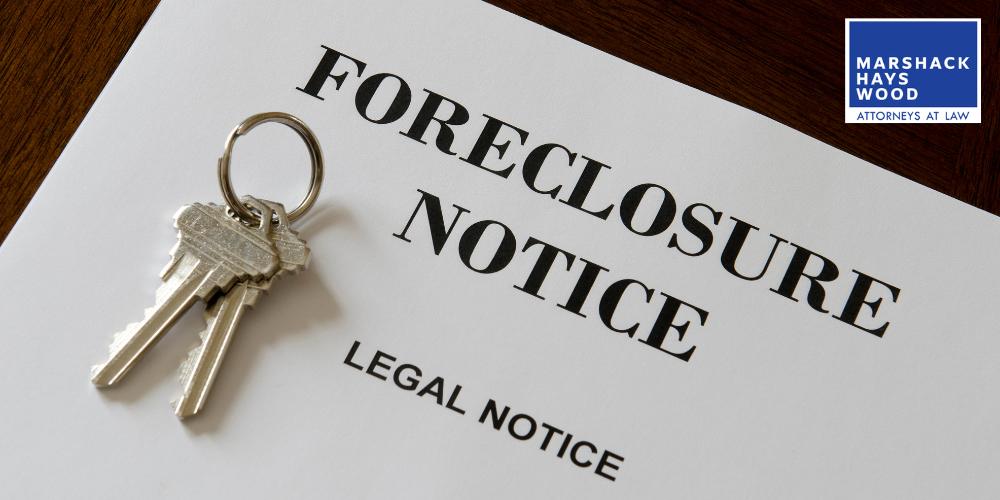
If in mortgage debt and facing foreclosure, legal options may still exist to address the debt and protect your financial interests. Potential alternatives to foreclosure can include a loan modification, a structured exit such as voluntarily surrendering the property, or relief through bankruptcy, depending on your goals and circumstances.
Loan Modification Negotiations
Loan modification negotiations focus on working with the mortgage lender to change the terms of an existing home loan. Because most mortgages allow lenders to review modification requests, this option may reduce the monthly payment by adjusting interest rates, extending the loan term, or addressing past-due amounts. Successful negotiations depend on accurate financial documentation and a clear presentation of hardship. Legal guidance helps ensure lenders follow required review procedures and consider modification requests in good faith.
Forbearance and Repayment Plans
Forbearance and repayment plans offer short-term relief for homeowners who have fallen behind on mortgage payments but expect their finances to stabilize. Forbearance can temporarily pause or reduce payments on a home loan, while a repayment plan spreads missed payments over time by adding them to future installments. These options can help bring you back into good standing, but terms vary, and missed payments do not disappear. Careful review is important to avoid unaffordable catch-up payments or agreements that increase long-term financial strain.
Short Sale and Deed-in-Lieu of Foreclosure
A short sale or a deed-in-lieu of foreclosure can provide an orderly exit when keeping the home is no longer realistic. In a short sale, the lender agrees to accept less than the balance owed so the property can be sold, which may limit further collection efforts. A deed-in-lieu transfers ownership directly to the lender and can end the foreclosure process more quickly. Each option carries credit, tax, and deficiency considerations, so careful legal review helps determine whether either approach aligns with your financial goals and minimizes long-term impact.
Bankruptcy as a Tool to Stop Foreclosure Sales
Filing bankruptcy can immediately stop a foreclosure sale through the automatic stay, which halts most collection actions the moment the case is filed. This protection gives homeowners time to address missed payments, challenge lender conduct, or pursue a long-term solution through a structured repayment plan. Working with the experienced Orange County bankruptcy attorneys at Marshack Hays Wood allows homeowners to use bankruptcy strategically, whether the goal involves saving the home, protecting equity, or creating an organized exit that limits further financial damage.
Chapter 7 Bankruptcy
Filing for bankruptcy pauses any legal action taken against you, including foreclosure. Chapter 7 bankruptcy, also known as liquidation bankruptcy in California, allows qualifying individuals to discharge unsecured debts such as credit cards or medical bills, even when those debts remain unpaid. In some cases, assets may be sold to satisfy creditor claims.
Although Chapter 7 can result in the loss of a home, state and federal homestead exemptions may protect a portion or all of a homeowner’s equity. A bankruptcy attorney can help you understand the process and help you decide whether you should utilize government exemptions or California bankruptcy exemptions when you file.
Chapter 13 Bankruptcy
Under Chapter 13 bankruptcy in California, individuals repay debts through a court-approved payment plan that typically lasts three to five years. This plan can include past-due mortgage payments, allowing homeowners to catch up over time while keeping their property. Once the case is filed, the automatic stay stops foreclosure activity as long as plan payments remain current.
Many people choose Chapter 13 when they do not qualify for Chapter 7 or when they want to protect assets such as a home or vehicle. Chapter 13 provides a structured way to manage debt, address mortgage arrears, and maintain ownership while working toward long term financial stability.
Do You Need a California Foreclosure Defense Lawyer?
When a foreclosure action begins, the legal process can move quickly and leave little room for error. A foreclosure lawsuit or nonjudicial proceeding requires lenders to prove they complied with California foreclosure laws, met notice requirements, and acted in accordance with the court rules when applicable. Missed deadlines or unchecked lender mistakes can limit options and accelerate the loss of the property.
A California foreclosure attorney can review the case to identify violations, challenge improper actions, and protect your rights at every stage. Legal guidance helps ensure lenders comply with the law, preserves defenses that may stop or delay foreclosure, and positions you to pursue solutions that protect your home and financial stability.
What a Foreclosure Lawyer Does
In foreclosure cases, your attorney will guide you through the entire process, from the first notice through the resolution of your case. This includes matters that involve the court system and those that proceed without formal court involvement. An experienced foreclosure lawyer can help stop or delay foreclosure by reviewing loan documents, payment histories, and lender actions for compliance with state and federal requirements. This review focuses on whether the lender followed required procedures, issued proper notices, and maintained accurate records.
Whether identifying legal defenses and procedural errors that can pause foreclosure activity, creating leverage for negotiations, or supporting relief through bankruptcy or other legal remedies, hiring legal counsel early ensures a homeowner’s response is strategic rather than reactive to lender deadlines.

Why Choose Marshack Hays Wood for Foreclosure Defense Representation in Orange County, CA?
When foreclosure threatens your home, the quality of legal representation you receive matters. Homeowners in Orange County, CA need a foreclosure defense lawyer with extensive experience handling lender-driven actions and a direct approach to communication. Clear guidance and steady advocacy help clients understand their options and make informed decisions at every stage.
Marshack Hays Wood provides foreclosure defense backed by strong communication skills, deep familiarity with local lenders, and experience in Orange County courts. We focus on practical strategies that protect property, equity, and financial stability while delivering the best representation possible under California law.
Lawyers for Foreclosure Disputes and Lender Misconduct
Foreclosure disputes often involve mortgage servicer or lender misconduct that can affect a homeowner’s rights and available defenses. Our foreclosure defense attorneys investigate violations that may stop or delay foreclosure or support a negotiated resolution.
Common types of foreclosure dispute cases include:
- Dual tracking violations during loan modification or loss mitigation review
- Improper or defective foreclosure notices
- Predatory lending concerns tied to loan origination or terms
- Servicing and accounting errors, including misapplied payments or inflated balances
Foreclosure Guidance for High-Equity Properties
Homeowners with significant equity face unique risks during foreclosure, including losing accumulated value through rushed sales or lender-driven actions. Timing plays a central role in outcomes, since actions taken before a sale date can expand available solutions, while delays can limit leverage and reduce financial protection. Strategic planning from a knowledgeable foreclosure defense attorney helps protect assets by evaluating legal options early and choosing an approach that preserves equity rather than eroding it.
Foreclosure Defense Attorneys for Investors and Multiple Properties
Foreclosure issues involving rental or investment properties present added challenges, including tenant considerations, cash flow pressures, and multiple lender actions occurring at once. Effective defense requires coordinating foreclosure strategy with bankruptcy planning to address several properties under a single, organized approach. These cases also demand close attention to lien priority and creditor disputes, where competing claims can affect equity, control, and outcomes across the portfolio. Strategic legal guidance helps investors manage risk while protecting assets and long-term financial goals.

Speak With an Orange County Foreclosure Defense Attorney Today
Dealing with debt places real strain on your finances, and the foreclosure process can escalate that pressure quickly, especially when a foreclosure lawsuit is pending. You do not have to face these challenges alone. The Marshack Hays Wood law offices provide clear guidance and practical solutions for homeowners seeking relief and protection.
If you are facing foreclosure, now is the time to contact an experienced foreclosure defense attorney in Orange County, California who understands how lenders operate and how courts handle these matters. Call (949) 333-7777 or request a free consultation through our contact page to discuss your options and take informed steps toward protecting your home and financial stability.
READY TO GET STARTED?
At Marshack Hays Wood, our attorneys provide the legal support you need to move forward with confidence. Let us help you take the first step toward financial stability.